Transfagarasan Information
Discover attractions on the Transfagarasan and around Hotel Piscul Negru: Balea Lake, Balea Waterfall, Poenari Fortress, and mountain trails.
Real-time weather
Temperature differences between Curtea de Arges (at the base) and Balea Lake (on the ridge) can exceed 15°C. Check the forecast before you set off - alpine climate is extremely changeable.
Access period
The high section between Piscul Negru and Balea Waterfall is officially open only during the summer period.
Traffic restrictions
Road traffic on the high-altitude section is restricted between 22:00 and 06:00.

DN7C - Transfagarasan
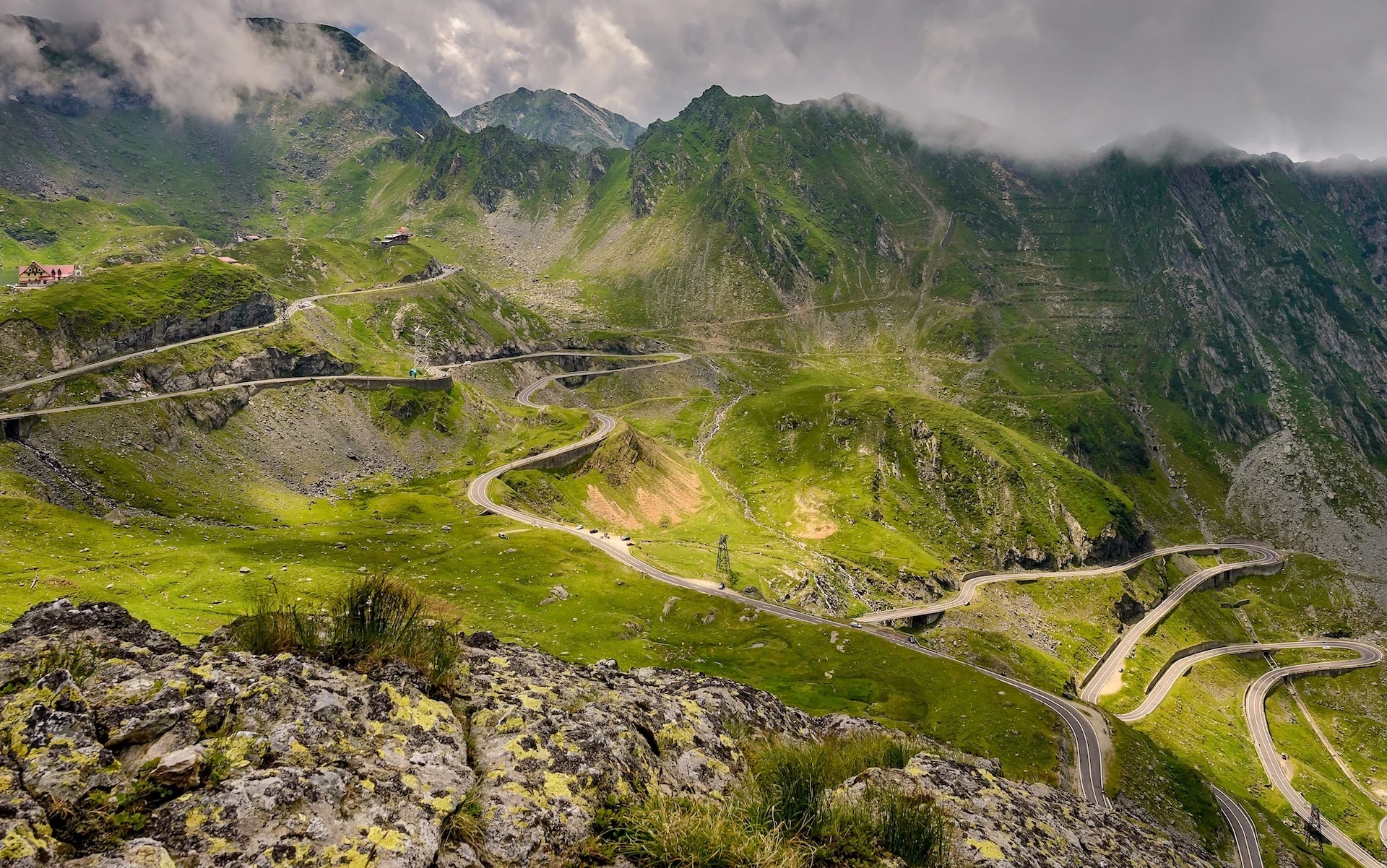
Built between 1970 and 1974, DN7C winds 90 kilometers through the heart of the Fagaras Mountains at altitudes over 2,000 meters. The road links Muntenia and Transylvania and is recognized as one of the world's most spectacular, passing Vidraru Dam, alpine waterfalls, and the Balea Lake ridge.
Hotel Piscul Negru sits directly on the route, at the foot of the switchbacks. From here you set off toward every stop on the map by car, on mountain trails, or simply to enjoy the view.
Construction milestones
The Council of Ministers approved the technical-economic indicators for the "strategic objective Transfagarasan." The start of construction was marked by a meeting chaired by Ion Gheorghe Maurer, the prime minister of the time, attended by directors of construction companies and designers.
Regiment 52 Alba-Iulia began work from the north, and Regiment 1 Ramnicu Valcea from the south in the high mountain areas; tunnels were to be built by specialists from the Hydroenergy Construction Trust. The Vidraru Lake contour sector, assigned to the Ministry of Transport, was designed by IPTANA and built by ICDP Bucharest.
It was decided to build the road according to mountain national road standards - two traffic lanes (6 m) and a 1 m shoulder. Work continued all year regardless of harsh conditions. The road was built with enormous material effort and at the cost of soldiers' and workers' lives; the official toll is 40 deaths, although workers at the time cite higher figures.
The official inauguration took place in the presence of Nicolae Ceausescu, but work continued for several more years for paving and related activities, being completed in its current form in 1980.
General Constantin Tanase, commander of the Roads and Bridges engineering detachment, was called to order on the Transfagarasan. The road carved with difficulty into rock had to be prepared for car traffic, reinforced and strengthened with solutions to improve safety.
Curtea de Arges Monastery
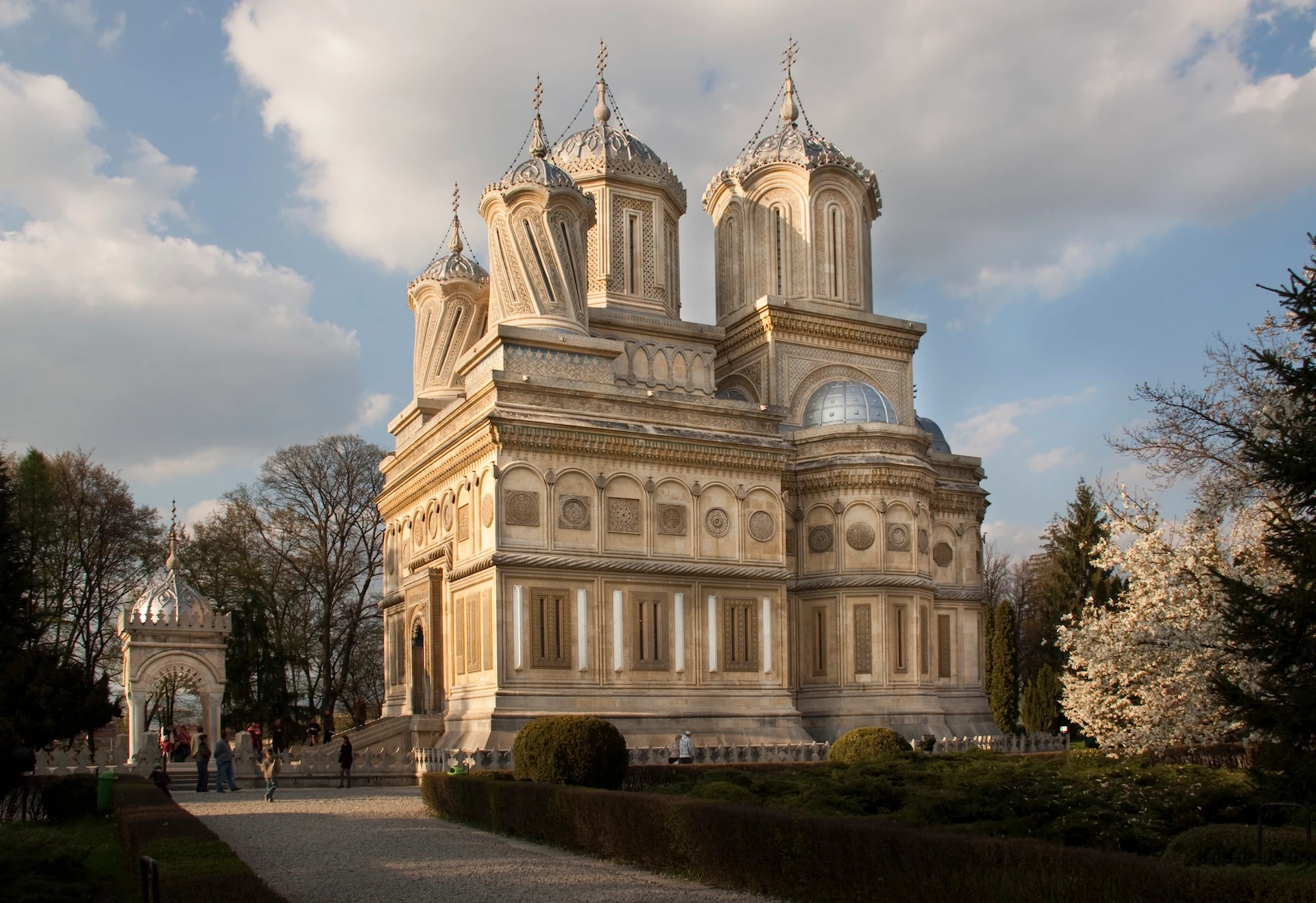
One of Romania's most important religious and historic settlements, founded by Neagoe Basarab at the beginning of the 16th century. This architectural jewel is renowned not only for the beauty and detail of its stone carvings, but also for the famous legend of Master Manole. The monastery serves as the eternal resting place of Romania's kings and queens.
Poenari Fortress
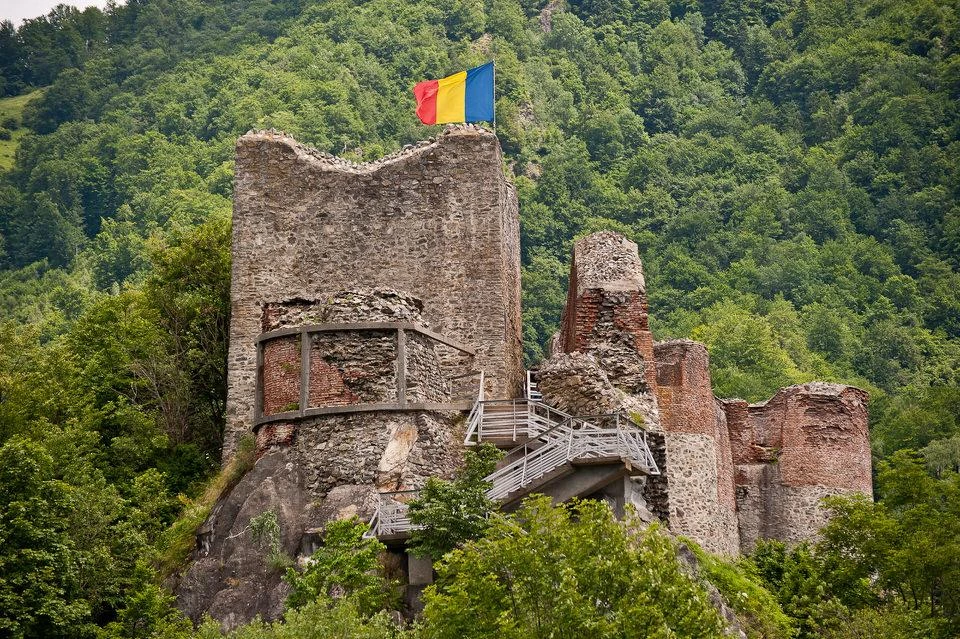
Known as Vlad the Impaler's (Dracula's) true fortress, Poenari Fortress is strategically placed on a steep mountain peak dominating the Arges gorges. To reach the ruins of this legendary fortress and enjoy a stunning mountain panorama, you must climb a staircase of 1,480 concrete steps winding through the forest.
Vidraru Dam & Lake
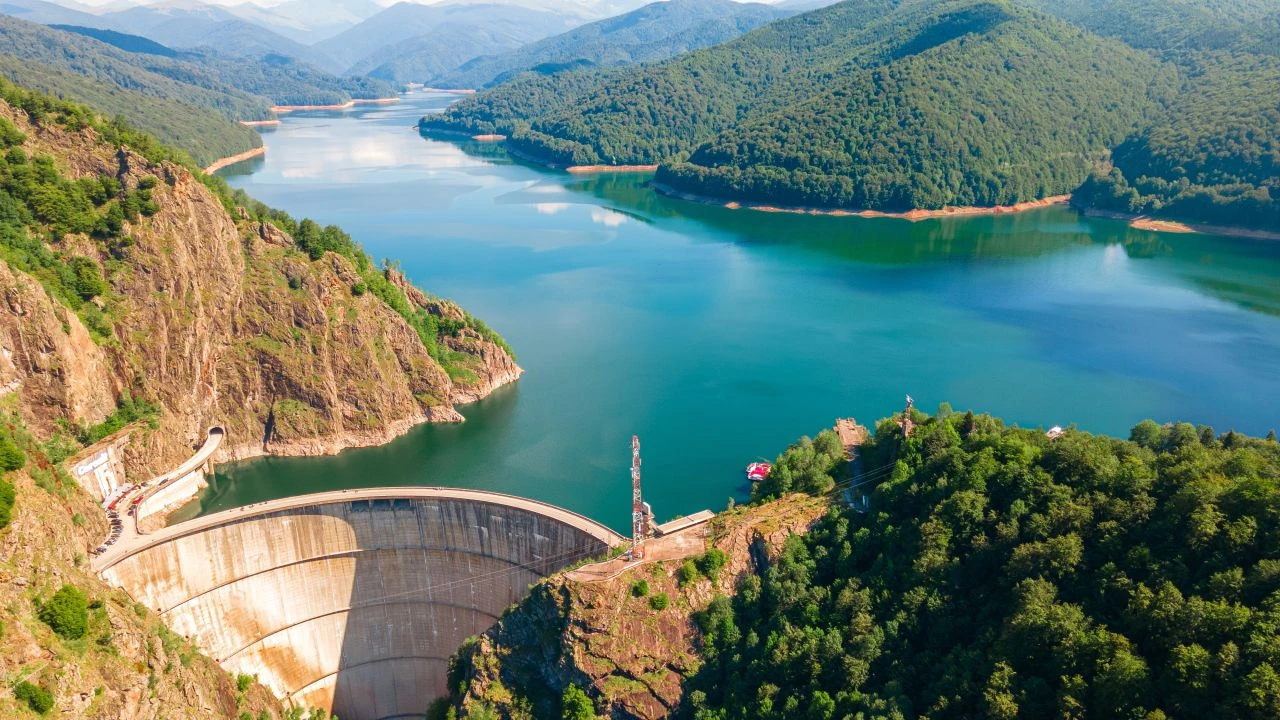
A masterpiece of Romanian engineering completed in 1966, Vidraru Dam was the fifth largest arch dam in Europe at inauguration. Its construction created a spectacular reservoir with a huge volume of water. Above the dam, on Mount Plesa, rises the monument statue of Prometheus (the electricity monument), offering an excellent viewpoint.
Balea & Capra Waterfalls
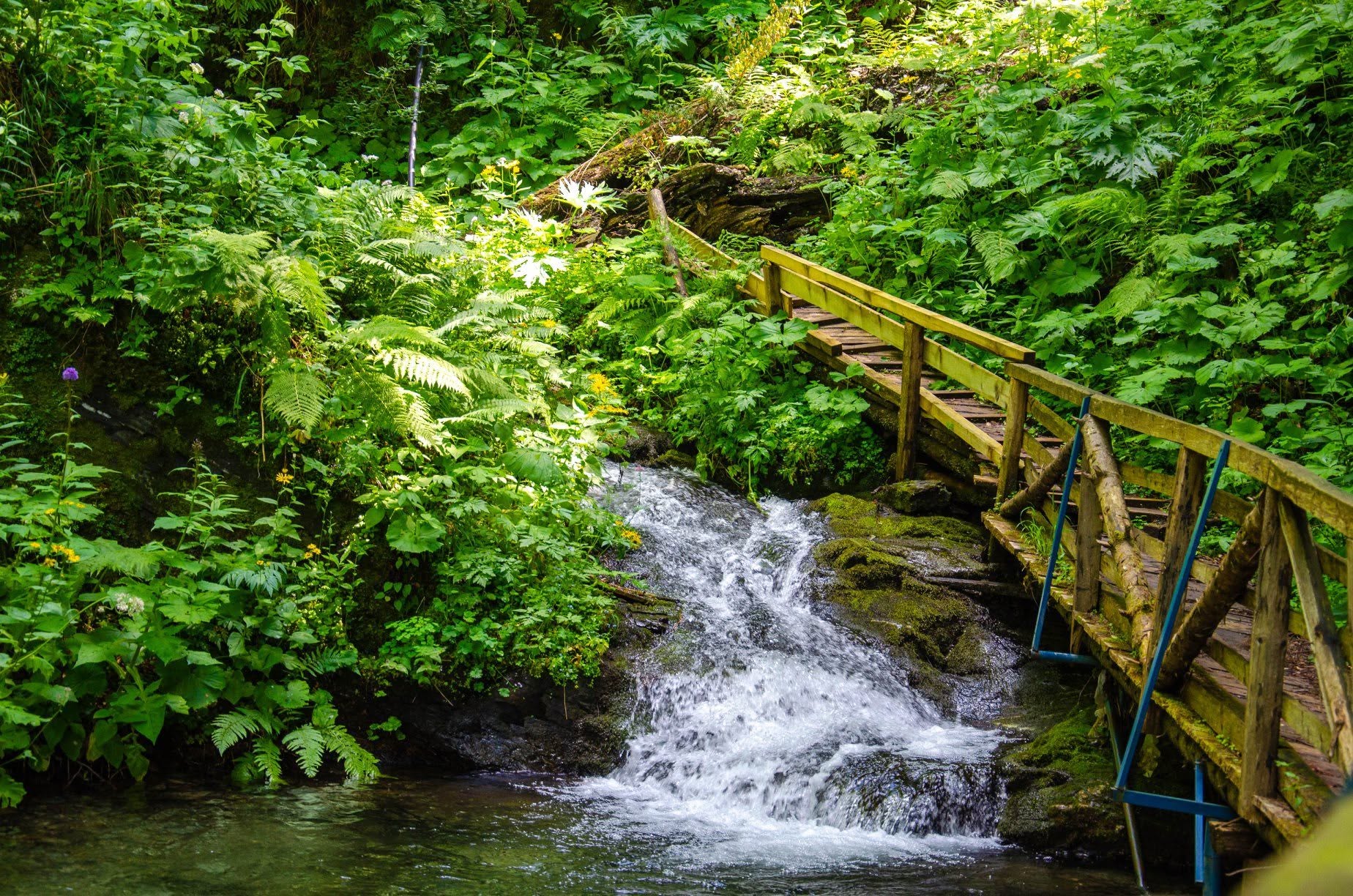
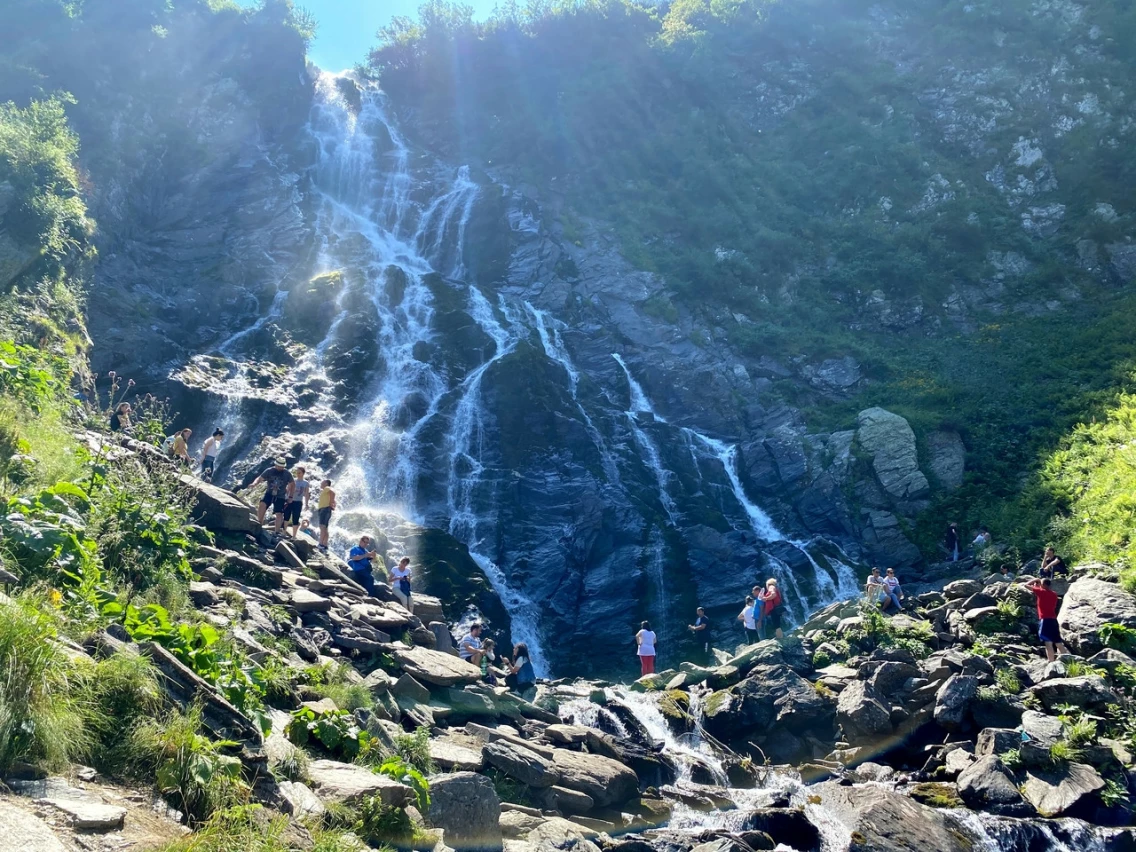
As DN7C climbs toward the ridges, the road meets spectacular waterfalls. Balea Waterfall is Romania's largest stepped waterfall, with a water drop of over 60 meters. A few kilometers higher, on the southern slope, Capra Waterfall flows noisily directly off the rocks, right above the edge of the road, offering a memorable spectacle from the car.
Balea Lake
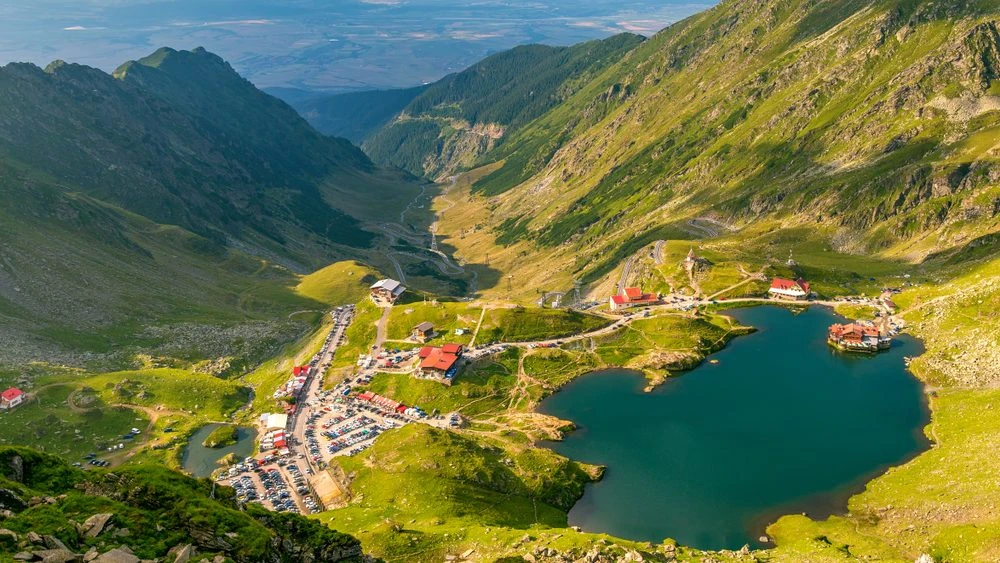
Located at an altitude of 2,040 meters in the heart of the Fagaras Mountains, Balea Lake is a spectacular glacial lake declared a scientific reserve. It is the highest and most famous point of the Transfagarasan, an area of wild beauty surrounded by imposing alpine ridges. Numerous mountain trails start here, and the famous Ice Hotel is built here every winter.
Mountain Trails & Hiking
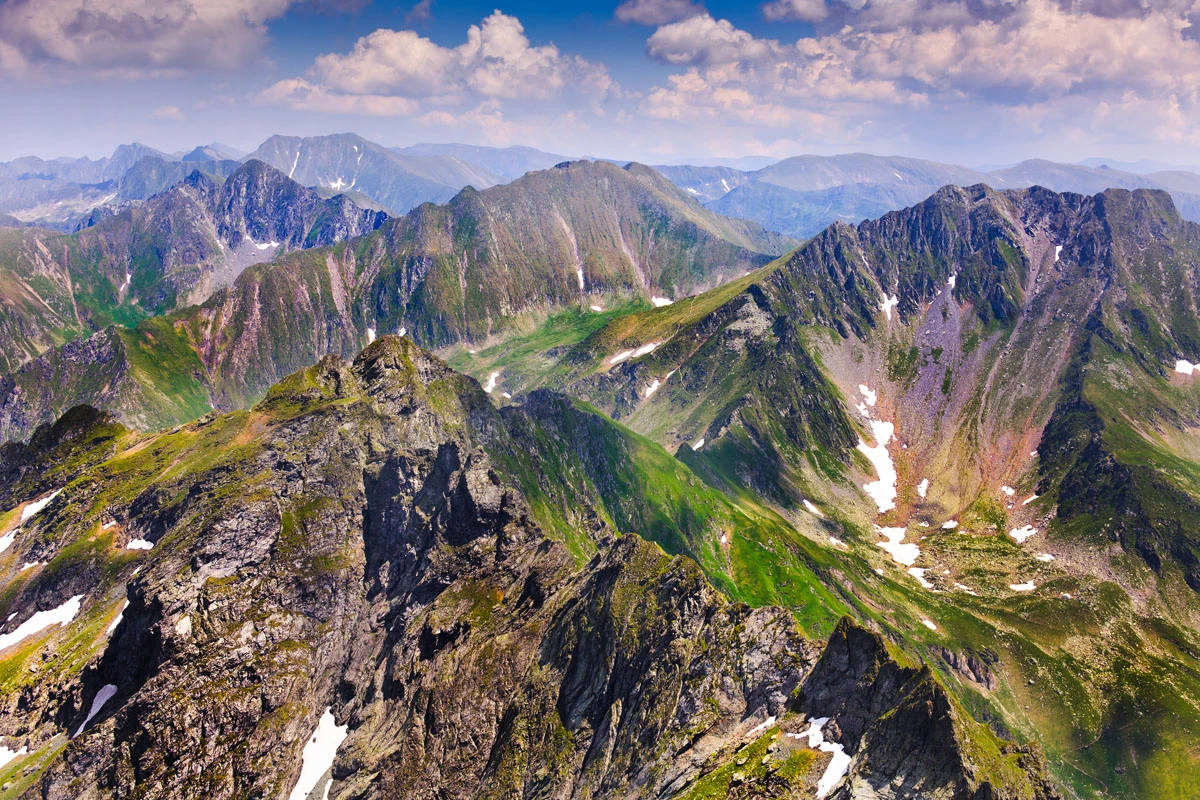
The Transfagarasan is the preferred access point to the highest and most spectacular ridges in the Carpathians. From popular canyoning routes such as Valea lui Stan to demanding ascents toward Lespezi Peak (2,522m), Iezerul Caprei, or Negoiu Peak (the country's second highest, 2,535m), the area offers unmatched opportunities for hiking in wild nature.
Other points of interest in the area
Stops rich in culture, history, and spiritual peace along or near the route.
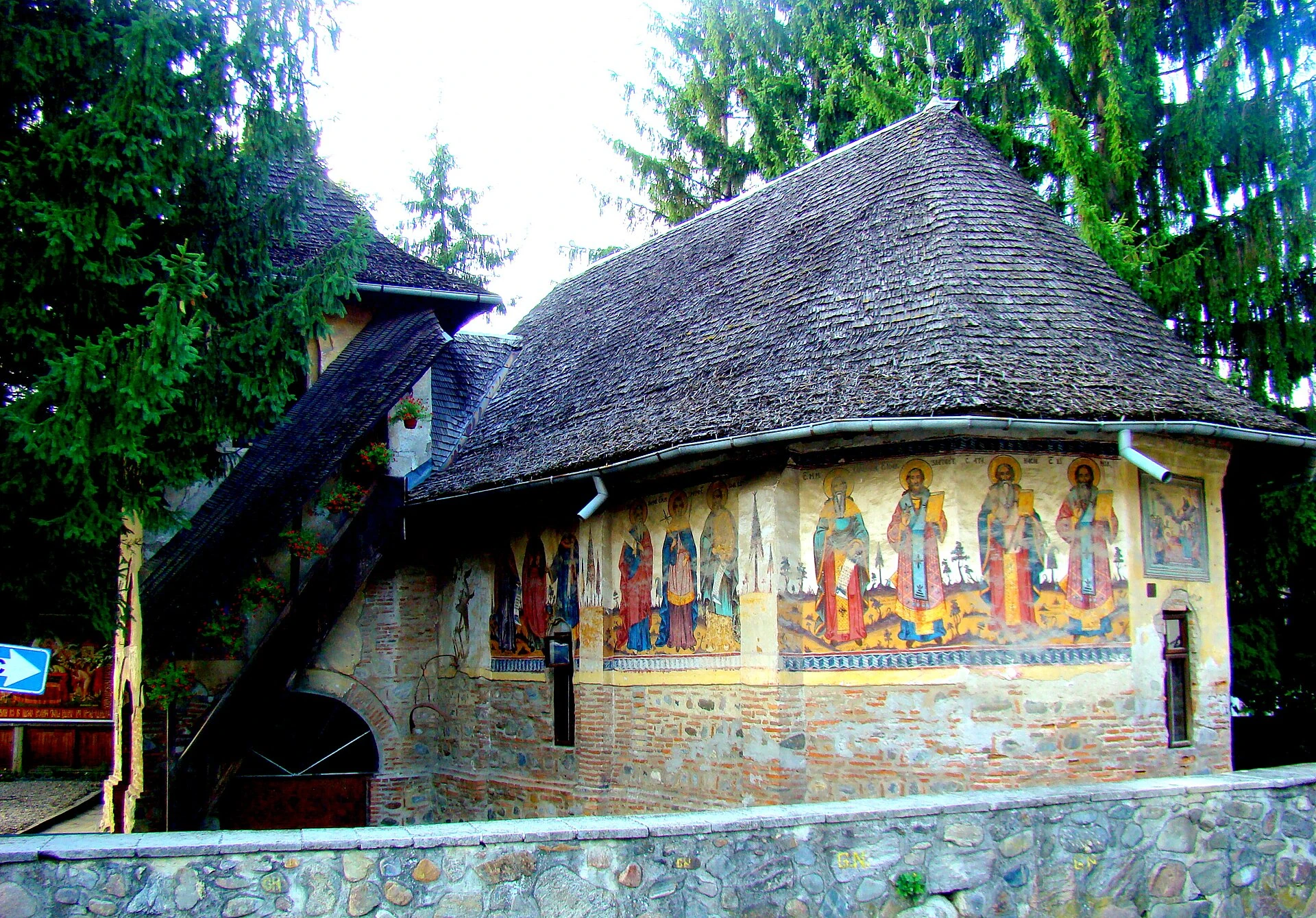
Olari Church
A remarkable historic place of worship, notable for its atypical architecture compared to the traditional style of Muntenia and its valuable exterior and interior mural paintings.
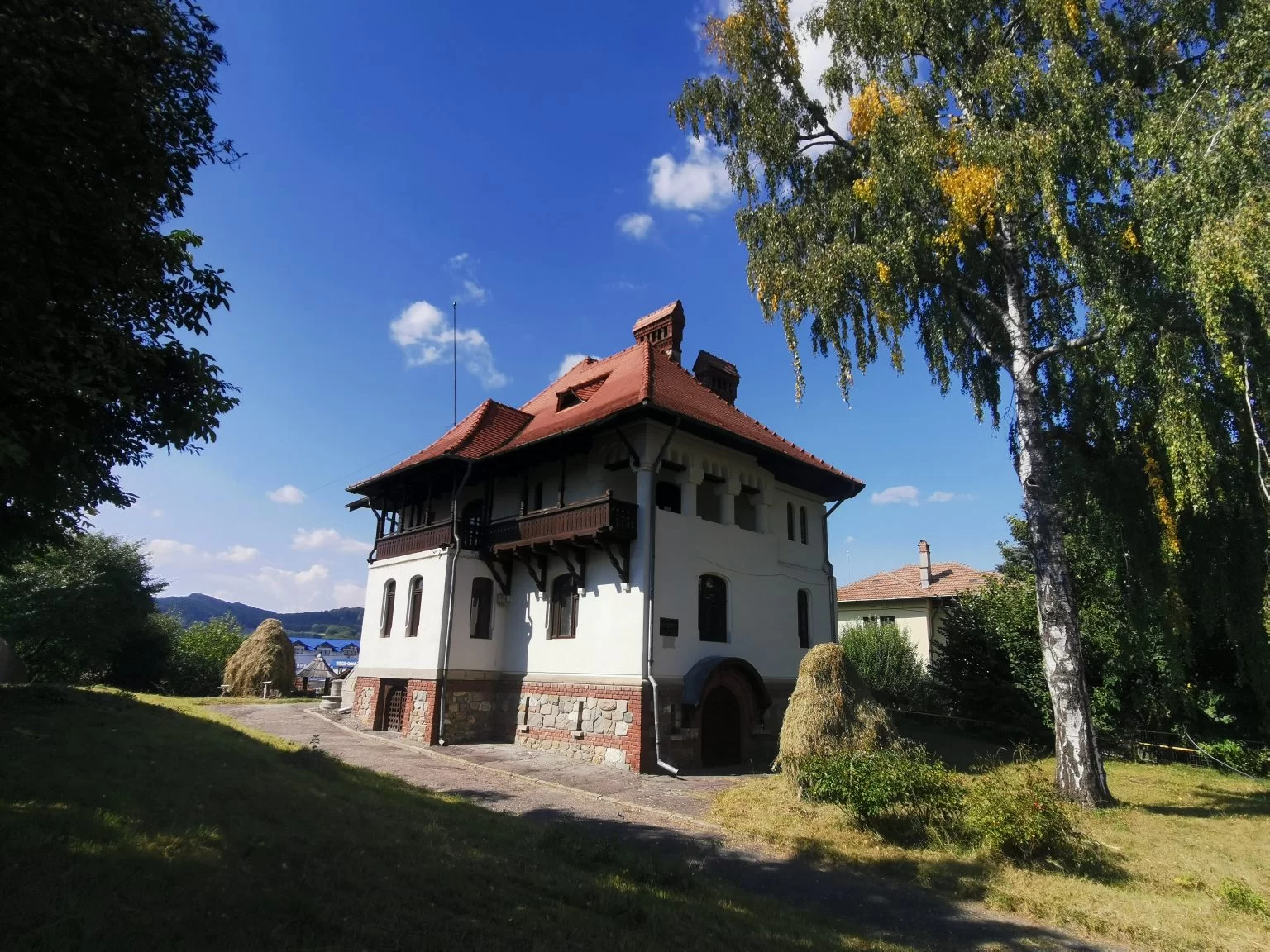
Dumitru Norocea Memorial House
The home of the famous painter and restorer Dumitru Norocea. It houses a rich collection of Arges ethnography and folk art, illustrating village life of the past.
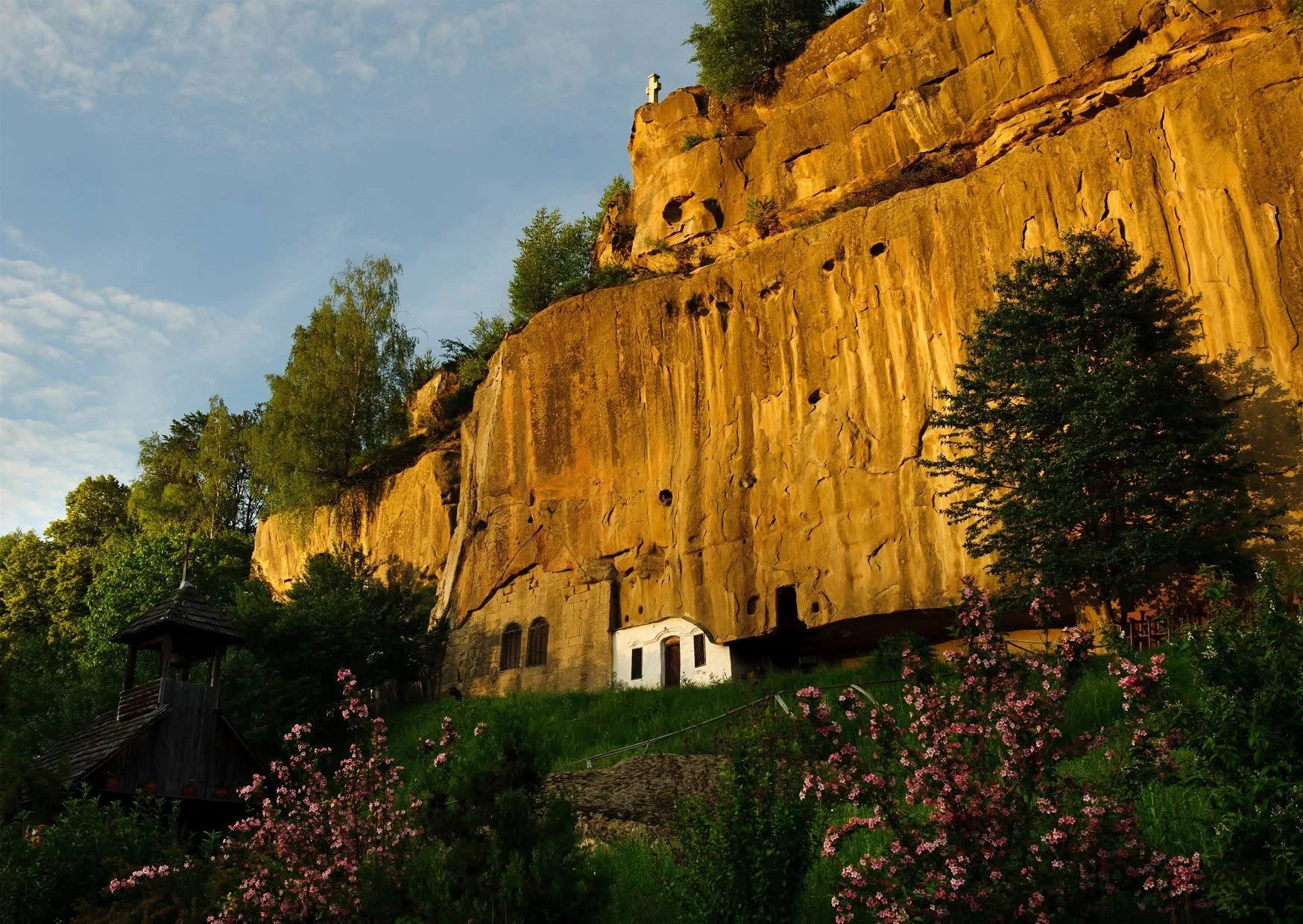
Corbii de Piatra Monastery
The rock church in Jgheaburi village, ~33 km from Curtea de Arges on the road to Nucsoara. It houses the oldest painting in Wallachia (14th century) in Byzantine tradition and is unique for its two altars in a single nave.